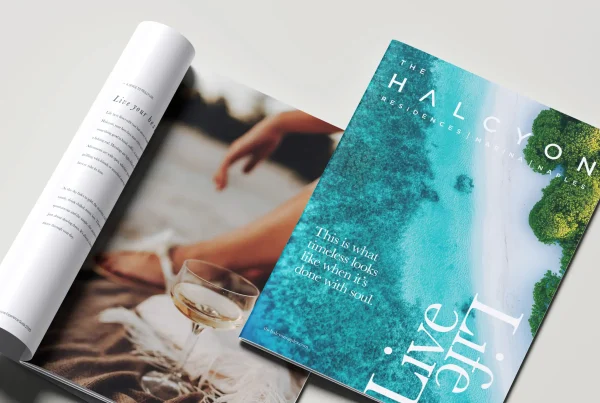
Printed vs online brochures: why format isn’t the real issue.
One of the most common questions we hear is whether a brochure should be printed or digital.
It’s an understandable question. Formats have multiplied, attention spans have shortened, and marketing budgets are under more scrutiny than ever.
But starting with print vs digital is usually the wrong place to begin.
Because brochures don’t succeed or fail based on format. They succeed or fail based on how they’re used and on the quality of the thinking and design behind them.
The problem with framing it as a choice.
The print-versus-digital debate assumes you have to pick one.
In reality, most effective brochures today exist across multiple formats, each serving a different role in the same journey.
When organisations frame this as a binary decision, they often end up with:
- printed brochures that feel outdated
- digital brochures that behave like static PDFs
- content that hasn’t been designed properly for either
The issue isn’t paper or pixel. Its intent and intent rarely exists in isolation. A brochure can only work properly when it’s grounded in clear brand positioning and messaging.
What printed brochures still do well.
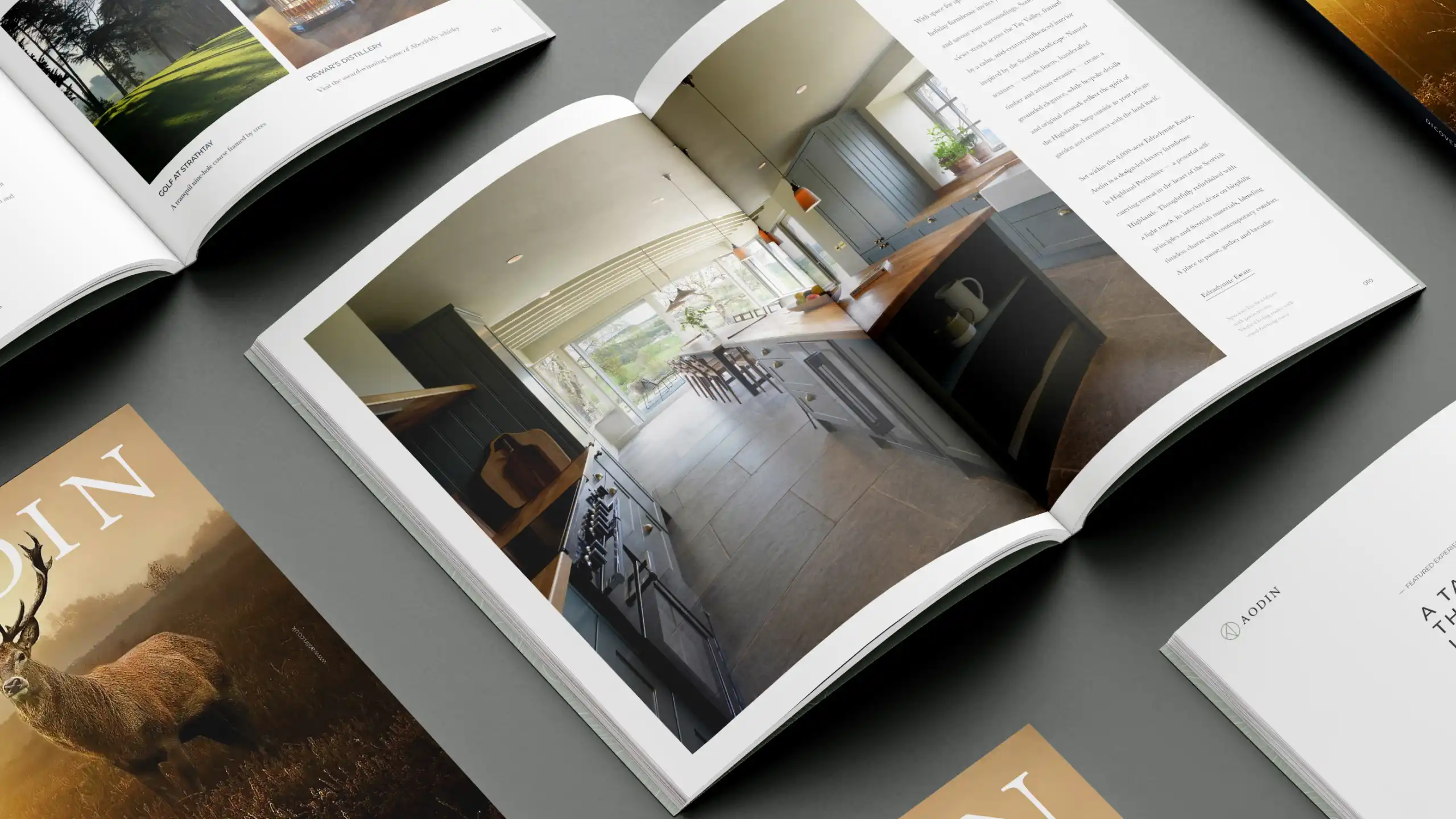
Printed brochures haven’t gone away, and they haven’t lost their usefulness either. When they’re handled properly, print still plays a very specific role.
They work best in meetings, presentations and pitches, or when something needs to be left behind after a conversation has taken place. They’re also still effective at events, where people want something tangible to take away and revisit later.
Print has a way of slowing things down. It creates a moment of focus and encourages more considered reading, particularly in situations where screens are already competing for attention.
The problem isn’t using print. It’s treating it as an afterthought.
Where digital brochures come into their own.
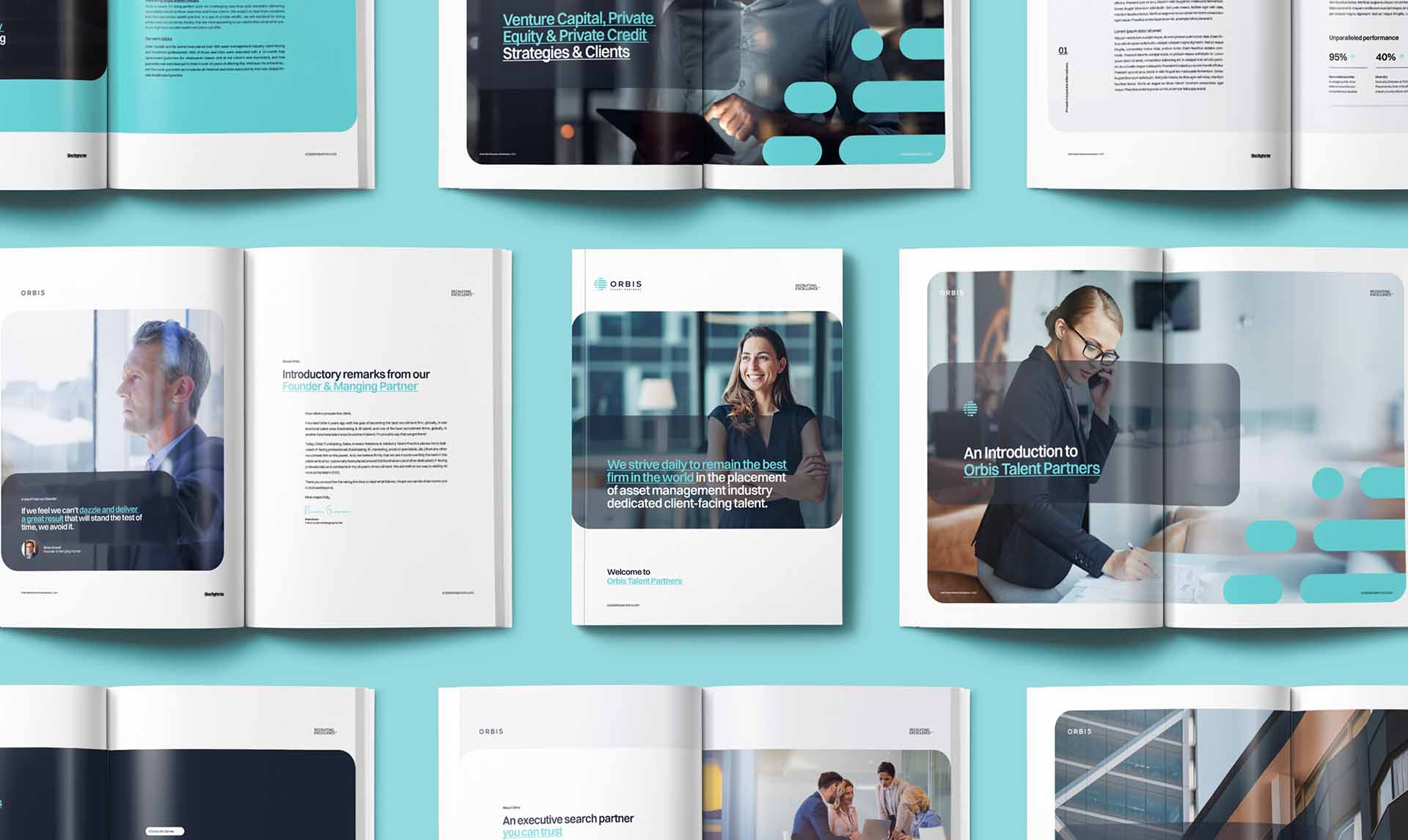
Digital brochures come into their own when something needs to be shared quickly or passed around without friction. They’re often used after meetings, circulated internally, or relied on for remote conversations rather than face-to-face.
Where they fall is when they’re treated as an afterthought. A printed layout exported as a PDF rarely works well on screen. It’s usually too linear, too heavy, and asks for more attention than most readers are willing to give in that context.
Digital brochures need to be designed with screen behaviour in mind from the start, not adapted once everything else is finished.
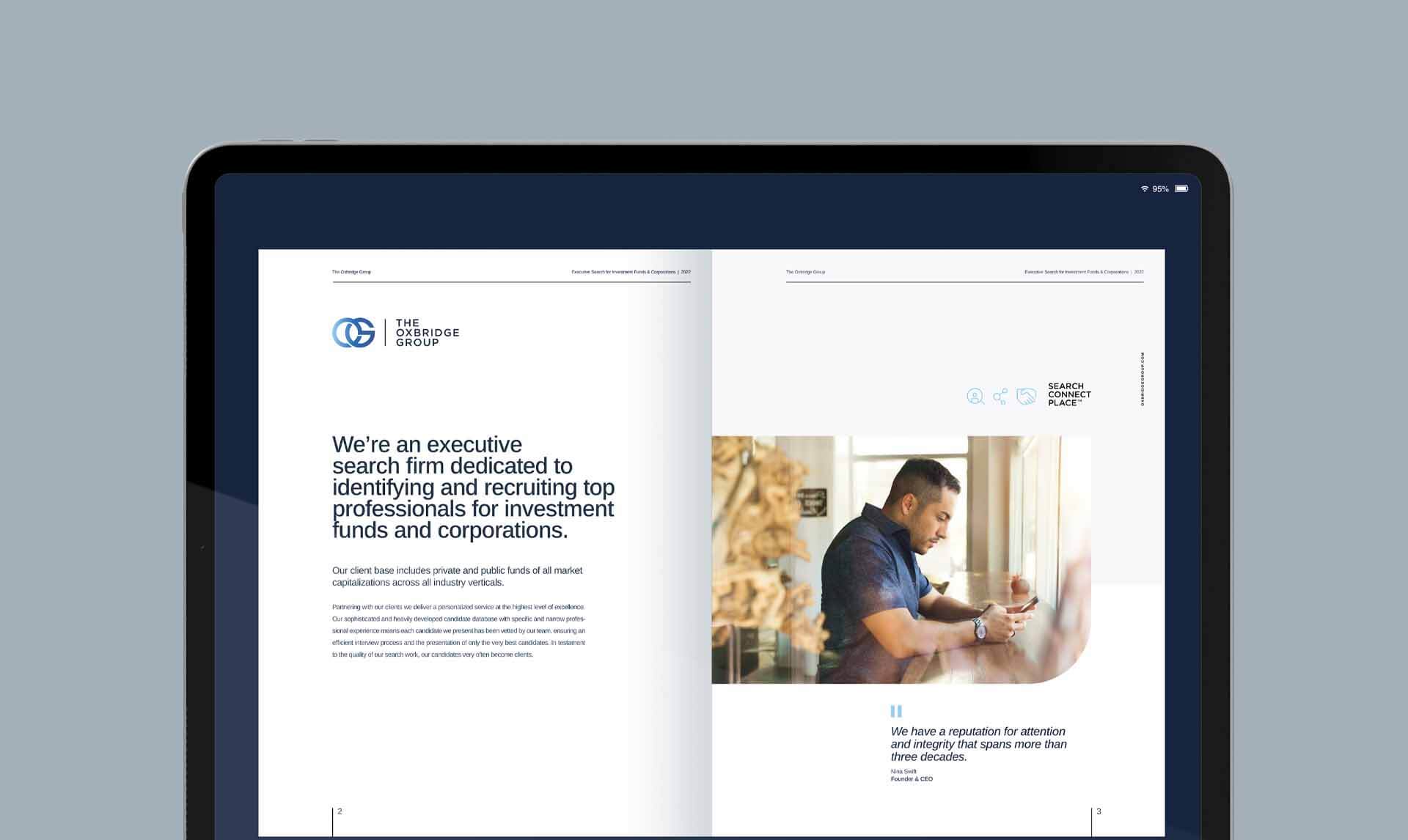
Designing once, using everywhere.
The strongest brochure systems don’t begin with a debate about print versus digital. They assume both will be needed and plan accordingly.
The work starts with structure. Content needs to make sense quickly, hierarchy needs to be obvious without shouting, and layouts need to hold together whether they’re printed, shared as a PDF or viewed on screen.
This is the thinking that underpins how we approach brochure design that works across print and digital.
When that thinking happens early, print and digital stop competing with each other. They become different ways of using the same material, rather than compromises forced on at the end.
The real question to ask.
Instead of getting stuck on whether a brochure should be printed or digital, it’s usually worth stepping back and asking how it will actually be used.
Once that’s clear, the rest tends to sort itself out.
Why this still matters
Brochures remain one of the few marketing tools people tend to spend time with away from constant interruption.
They’re looked at in meetings, passed around internally, and revisited quietly once the noise has died down. Often, they’re read at the point where someone is trying to make sense of an offer rather than react to it.
Handled well, they help build confidence rather than add to the noise.
Choosing the right approach
At Crux, we don’t treat brochures as one-off outputs or isolated formats.
We see them as working tools that need to earn their place, whether they’re printed, shared digitally, or used somewhere in between.
If you’re rethinking how your brochure works, we’re happy to talk it through.
Originally published: June 2023
Last updated: February 2026